What is a Nylon Insulated Terminal and How Does It Work?
In the world of electrical connections, the Nylon Insulated Terminal plays a crucial role. This component serves as a link between wires and devices, ensuring a secure and insulated connection. The nylon construction offers resistance to heat, moisture, and mechanical stress. It provides durability in various environments, enhancing the reliability of electrical systems.
Understanding how a Nylon Insulated Terminal works is essential for both DIY enthusiasts and professionals. It consists of a metal connector enveloped in a layer of nylon, which prevents short circuits and corrosion. However, improper installation can undermine its effectiveness. Attention to detail is vital when terminating wires to these terminals.
While Nylon Insulated Terminals are effective, they require careful selection. Choosing the correct size and type matters greatly. Users often overlook these details, leading to potential issues. Reflecting on these factors can improve performance and safety in electrical applications.
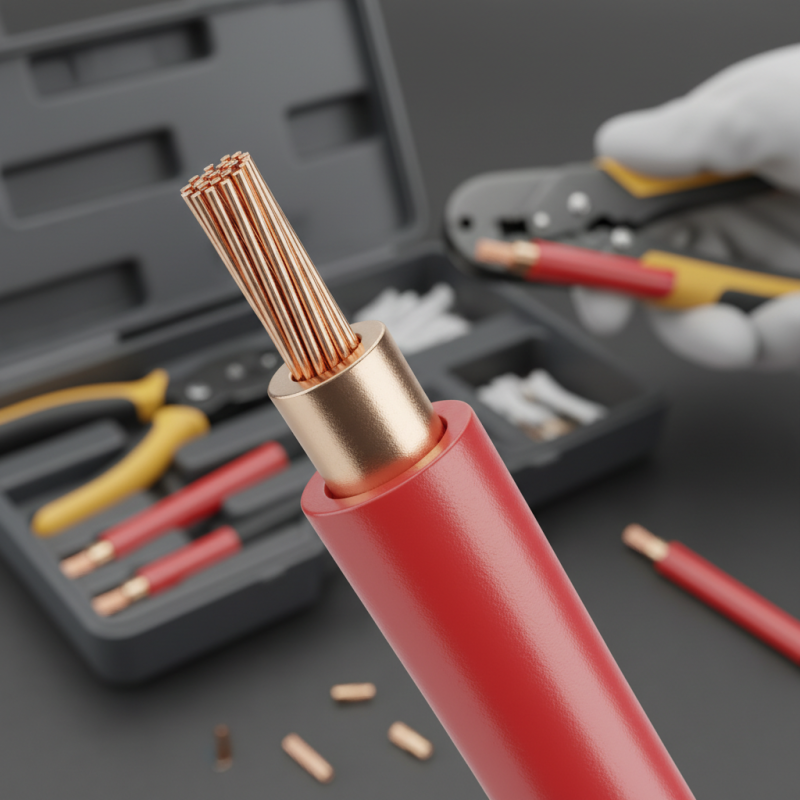
What is a Nylon Insulated Terminal?
Nylon insulated terminals are electrical connectors that use nylon as an insulator. These terminals are crucial for ensuring safe and reliable connections in various electrical applications. The nylon material provides excellent protection against moisture and environmental damage. This durability makes them ideal for outdoor use or in harsh conditions.
When you connect wires using nylon insulated terminals, the nylon sheath helps prevent short circuits. It keeps the metal parts securely fastened while blocking any exposure to conductive elements. The design often features a crimping mechanism to ensure a tight grip on the wires. However, users sometimes struggle with achieving a proper crimp. This can lead to loose connections, which may cause issues down the line.
Many people underestimate the importance of choosing the right terminal. Not all nylon terminals are created equal. The thickness and quality of the nylon can vary, affecting performance. Regular inspections can help identify wear or damage over time. Ensuring proper installation is key to maximizing their reliability. Engaging with nylon insulated terminals requires attention and care, but the benefits in safety are undeniable.
What is a Nylon Insulated Terminal?
| Feature | Description | Functionality |
| Material | Nylon, a synthetic polymer | Provides insulation and durability |
| Temperature Resistance | Up to 105°C (221°F) | Suitable for various environmental conditions |
| Corrosion Resistance | Excellent resistance to chemical corrosion | Enhances longevity of electrical connections |
| Usage | Commonly used in automotive and electrical applications | Facilitates secure and insulated connections |
| Installation | Crimping method for secure fit | Ensures reliable and efficient assembly |
| Size Range | Available in various sizes for different wire gauges | Flexibility in application across multiple systems |
The Composition and Design of Nylon Insulated Terminals
Nylon insulated terminals play a crucial role in electrical connections. Their structure is designed to provide durability and reduce the risk of electrical shorts. Typically, these terminals consist of a metal conductor and a nylon sleeve. The conductor ensures a secure electrical connection, while the nylon offers insulation against moisture and abrasion.
The composition of nylon itself is integral to its effectiveness. This material is strong and resistant to heat, making it ideal for various applications. However, manufacturing processes can introduce inconsistencies in quality. Sometimes, the thickness of the nylon insulation varies, which can impact performance. When selecting these terminals, it is essential to check this detail closely.
While nylon insulated terminals are reliable, they are not foolproof. Over time, the nylon may degrade, especially in harsh environments. Periodic checks are necessary to ensure their integrity. Users often overlook this maintenance, leading to potential failures. It’s important to reflect on these aspects for better performance in your electrical projects.
How Nylon Insulated Terminals Function in Electrical Connections
Nylon insulated terminals play a crucial role in electrical connections. These terminals are designed to prevent short circuits and protect against environmental factors. They are widely used in automotive and industrial applications. According to a 2022 industry report, around 60% of electrical failures stem from poor connections. This emphasizes the need for reliable terminals like those insulated with nylon.
How do nylon insulated terminals function? They typically consist of a metal connector covered with a nylon sheath. This design provides durability and thermal resistance. The nylon material ensures a snug fit, preventing vibrations from loosening connections. However, some users overlook the importance of proper installation. Incorrect crimping techniques can lead to failures. As a result, users need to pay close attention to the installation process.
Moreover, the insulation must remain intact during use. Damage to the nylon can expose the metal underneath, risking short circuits. A study by the Electrical Safety Foundation International highlighted that poorly insulated connections account for 30% of electrical hazards in homes and workplaces. This statistic underscores the critical importance of maintaining the integrity of nylon insulated terminals in any electrical setup. Attention to detail can vastly improve safety and reliability.
Advantages of Using Nylon Insulated Terminals
Nylon insulated terminals are widely used in electrical applications. Their design offers distinct advantages that make them a popular choice among electricians and engineers. One major benefit is their resistance to corrosion. This is especially important in harsh environments. They can endure moisture and other elements that would otherwise damage metal terminals.
Another advantage is enhanced durability. Nylon insulated terminals can withstand higher temperatures compared to their plastic counterparts. This heat resistance helps to ensure long-lasting connections. They also provide excellent electrical insulation. This reduces the risk of short circuits during operation. Users can trust that these terminals will keep connections safe and reliable.
A potential drawback is that some may find them more challenging to install. The nylon can be tougher than other materials. This could slow down the process for less experienced users. Additionally, not all nylon insulated terminals are created equal. Variations in quality may exist, impacting performance. Careful selection and testing are key in achieving the desired results in electrical projects.
Common Applications for Nylon Insulated Terminals in Industry
Nylon insulated terminals are widely used in various industries. Their robust design ensures durability and resistance to various environmental factors. Many manufacturing sectors rely on these terminals for their electrical connections.
In the automotive industry, nylon insulated terminals play a crucial role. They are used for wiring harnesses, where reliability is essential. The insulation helps prevent short circuits and protects against corrosion. This is vital for vehicle longevity. But sometimes, installation can be tricky. Misalignment can lead to poor connections.
The electronics sector also benefits from nylon insulated terminals. They are common in circuit boards and devices. High temperatures and moisture are common issues in electronics. The nylon insulation mitigates these risks, enhancing device performance. However, users need to ensure proper selection. Not all applications may require nylon insulation. Choosing the wrong type can lead to failures. This requires careful consideration and experience.